


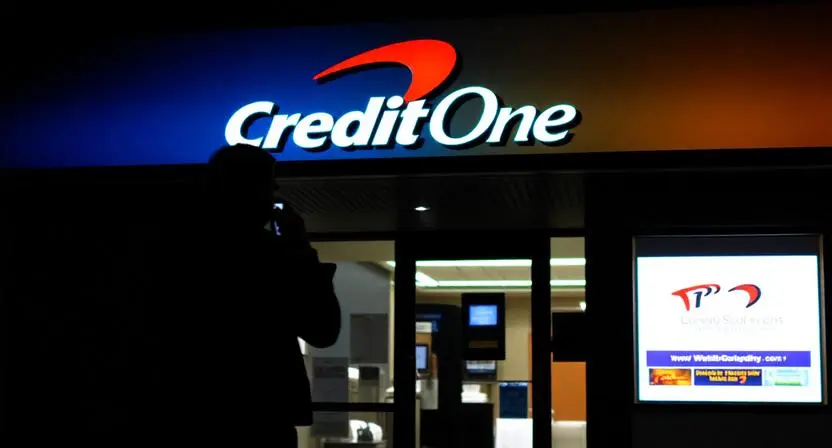
Credit one bank tcpa robocall settlement have grown to be an increasingly annoying issue for American consumers, with millions of them getting unsolicited automated calls every day. Financial institutions may be in violation of federal law, particularly the Telephone Consumer Protection Act (TCPA), if they participate in certain operations without the required authorization. Customers who received unsolicited robocalls may wish to learn about their rights and available remedies in light of recent news of a possible settlement between credit one bank tcpa robocall settlement violations.
Credit One Bank TCPA Robocall Settlement: Understanding the Telephone Consumer Protection Act
Enacted in 1991, the Telephone Consumer Protection Act is an important consumer protection statute that limits the use of automated dialing systems, text messages, and telemarketing calls. Before contacting customers via automated telephone dialing systems or pre-recorded messages on cell phones, businesses are required by TCPA requirements to get prior express written agreement.
Violations of the credit one bank tcpa robocall settlement can lead to severe consequences. If found guilty, businesses may be fined between $500 and $1,500 for each unlawful call or message. These fines are intended to deter companies from using invasive calling techniques and to reimburse customers who have received unsolicited communications.
Credit One Bank and Alleged TCPA Violations
Allegations of breaking TCPA standards have been made against Credit One Bank, a financial organization that specializes in offering credit card services to customers with short credit histories. The bank allegedly called customers automatically between 2014 and 2019 without getting their approval, according to a number of publications.
Making credit one bank tcpa robocall settlement clients and non-clients is one of the claimed infractions. According to reports, these automated calls included commercial messages, account notifications, and reminders for debt collection. In certain cases, customers reported that calls were made to numbers listed on the National Do Not Call Registry and that they continued to receive calls even after asking the bank to cease contacting them.
Credit One Bank TCPA Robocall Settlement: The Reported Settlement Details
According to several reports, credit one bank tcpa robocall settlement class action lawsuits for $14 million. However, since thorough court evidence for this particular settlement has not been widely verified in official legal databases, consumers should be cautious and confirm settlement facts through official legal channels.
Affected customers may be compensated if such a settlement is reached and approved by the court. According to reports, qualifying claimants may be paid between $100 and $1,000, depending on a variety of variables such as the net settlement fund after administrative expenses and the total number of legitimate claims filed.
Who May Be Eligible for Compensation
Based on credit one bank tcpa robocall settlement terms, consumers may qualify for compensation if they:
- Received automated or pre-recorded calls from Credit One Bank or its affiliates between 2014 and 2019
- Did not provide prior express written consent to be contacted via automated dialing systems
- Received calls despite being registered on the National Do Not Call Registry
- Requested the bank stop calling but continued to receive automated calls
- Were contacted even though they were not Credit One Bank customers
Crucially, customers may not need to have a Credit One Bank card in order to qualify. Under reported settlement terms, recipients of incorrect numbers and non-customers who received these automated calls might also be eligible for reimbursement.
Credit One Bank TCPA Robocall Settlement: Protecting Your Rights Against Robocalls
Whether or not a specific settlement applies to your situation, consumers have several options for protecting themselves against unwanted robocalls:
Document Everything: Keep detailed records of unwanted calls, including dates, times, phone numbers, and the nature of the messages. Phone bills and call logs can serve as valuable evidence.
Register with the National Do Not Call Registry: While not foolproof, registering your number at donotcall.gov provides an additional layer of protection and strengthens potential legal claims.
Explicitly Revoke Consent: If you’ve previously done business with a company, send written notice revoking your consent to be contacted via automated systems. Keep copies of all correspondence.
Report Violations: File complaints with the Federal Communications Commission (FCC) and the Federal Trade Commission (FTC) about persistent robocalls.
Consult Legal Resources: Consider speaking with attorneys who specialize in TCPA cases, as they can evaluate whether you have grounds for legal action.
The Broader Impact of TCPA Enforcement
Credit one bank tcpa robocall settlement serve objectives other than monetary remuneration. They make it clear to businesses that abuses of privacy have serious repercussions. Strong enforcement of the TCPA helps guarantee that people retain control over who contacts them and when, even when technology makes it easier for businesses to instantaneously reach thousands of customers.
Particularly, financial organizations have been under more scrutiny for their marketing call and debt collection strategies. In recent years, major banks and credit card corporations have paid hundreds of millions of dollars to satisfy accusations of unsolicited automated calls in a number of TCPA class action settlements.
Credit One Bank TCPA Robocall Settlement: Verifying Settlement Information
Consumers should be cautious about Credit one bank tcpa robocall settlement claims circulating online. Legitimate class action settlements typically include:
- Specific court case numbers and jurisdiction information
- Official settlement website administered by a recognized claims administrator
- Clear deadlines for filing claims and objections
- Dates for final approval hearings
- Contact information for class counsel
Make sure settlement notices originate from reliable sources before submitting claims or personal information. To verify the legitimacy of the settlement, visit the official court websites or speak with consumer protection lawyers.
Credit One Bank TCPA Robocall Settlement: Taking Action
Document your experiences and keep an eye on developments in pertinent class action lawsuits if you think you received unlawful credit from Credit one bank tcpa robocall settlement, or other financial institutions. Your records might be useful for upcoming legal cases or regulatory complaints, even if a particular settlement doesn’t come to pass.
In the digital age, consumer rights demand awareness and alertness. Although thecredit one bank tcpa robocall settlement offers significant protections, consumers must frequently defend their rights in order for the law to be enforced. Customers are essential in holding businesses responsible for intrusive calling tactics, whether through individual lawsuits, class action participation, or regulatory complaints.
Conclusion
Although there have been numerous claims of a sizable credit one bank TCPA robocall settlement, customers should confirm information through official legal procedures before acting. The larger problem of robocall infractions is still important regardless of the particular settlement results. Recognizing your TCPA rights, recording unsolicited calls, and staying informed about class action developments empowers you to protect yourself against intrusive automated communications.
Consult official court records, reputable claims administrators, or knowledgeable consumer protection lawyers for the most accurate and current information regarding any class action credit one bank tcpa robocall settlement. The law offers significant remedies when businesses violate your right to privacy and freedom from harassment.















Leave a comment