


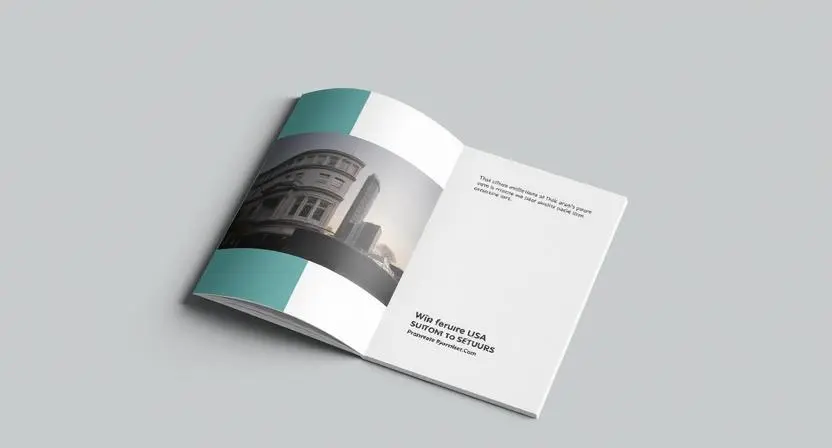
As content creation continues to evolve in our fast-paced digital age, mastering the latest design trends is essential for producing booklets that truly stand out. Modern booklets serve not only as marketing collateral or informational resources but also as vehicles for brand storytelling and audience connection. Leveraging up-to-date design techniques gives content creators a strategic edge. For those ready to take their projects further, options such as Printivity booklets can transform digital ideas into polished, professional pieces.
Whether you’re creating promotional materials for a business, event guides, or educational resources, today’s design innovations prioritize both visual clarity and audience engagement. Understanding the balance between sleek minimalism and impactful visuals allows you to create booklets that engage and resonate with modern readers, demanding a creative blend of tradition and technology.
Staying on top of these trends is no longer optional. Audience expectations are higher than ever, driven by immersive web experiences and the growing influence of mobile-friendly design languages. Appealing to readers now means blending sophisticated aesthetics with functional practicality, ensuring your message doesn’t get lost in a sea of content.
Booklet creators must also navigate the intersection of print and digital, accounting for shifting preferences, environmental awareness, and innovations like embedded interactivity and AI-driven design assistance. Navigating these priorities with intention ensures each booklet leaves a memorable impression for all the right reasons.
Minimalist Design for Clarity
Modern audiences value clarity above all. Minimalist design, with its focus on ample white space, careful alignment, and restraint in the use of colors and imagery, clarifies your booklet’s message. By stripping away visual clutter, you retain only elements that support your story, improving comprehension and aesthetic appeal. Minimalism allows readers to focus on what matters most—thoughtful content that is easy to digest. Brands such as Apple and Google have championed this approach across both digital and print channels, inspiring designers everywhere to pare down for impact.
Balance is critical; a too sparse layout can feel empty, while overcrowding defeats the purpose. The strategic use of negative space, muted color palettes, and precise layouts enhances both aesthetic quality and accessibility. Even in detailed multi-page booklets, minimalism ensures a seamless reading journey from cover to cover.
Bold Typography to Command Attention
Typography helps express a booklet’s personality and guides readers through content with visual cues. Trends now favor bold, expressive fonts used for headlines and anchoring statements. When applied thoughtfully, oversized or eye-catching type grabs attention without compromising readability. This trend complements minimalism—when the background is uncluttered, your typography naturally becomes the focal point.
Selecting the right font is as much about brand identity as it is legibility. Modern booklet designers often play with font pairings, combining weighty sans-serifs for titles with elegant serifs for body copy to create contrast and interest. Industry leaders like Nike and Vogue utilize bold typography not just for aesthetic purposes, but as an integral part of their storytelling, signaling energy and confidence to the reader.
Interactive Elements for Enhanced Engagement
Today’s booklets are no longer limited to ink and paper. Forward-thinking designers infuse interactivity by embedding QR codes or integrating augmented reality (AR) that connects print directly to digital platforms. This merger offers a truly dynamic, multi-sensory reading experience. For example, a corporate brochure might have QR codes that launch product demonstration videos, or an event program could present AR overlays displaying live speaker bios or event schedules.
These interactive features not only make booklets more engaging but also enable you to track reader behavior and interests, optimizing follow-up marketing strategies. Bridging the gap between physical and digital, interactive print brings your message to life in ways static pages never could. As more brands adopt this hybrid approach, audience engagement and satisfaction continue to climb steadily.
Sustainable Practices in Booklet Design
Eco-consciousness isn’t a fleeting trend—it’s a core expectation among today’s audiences. Sustainable booklet design involves careful material sourcing (such as recycled or FSC-certified paper), soy- or water-based inks, and production processes that minimize waste and carbon impact. Major organizations are increasingly showcasing their green credentials right within their printed materials, making ethical choices visible to all stakeholders.
Selecting sustainable practices not only protects the planet but can also broaden your audience. Consumers—especially millennials and Gen Z—tend to favor businesses that align with their values. Showcasing sustainability in your print materials fosters trust and positive brand associations, supporting marketing and CSR goals in tandem.
AI Integration in the Design Process
Artificial Intelligence is redefining creativity in booklet design. AI tools now assist with content ideation, automated image editing, layout suggestions, and even predictive analytics about design success. With routine elements streamlined, human designers can devote more time to crafting compelling stories, developing effective brand strategies, and tailoring solutions to meet individual needs.
AI-powered platforms, such as Adobe Sensei, can analyze the effectiveness of visual layouts based on industry-specific data, identifying opportunities for optimization. This ensures that the creative process becomes not just faster, but also more data-driven and targeted. However, originality and brand voice remain human domains—AI should enhance, not replace, the designer’s unique touch.
By leveraging these booklet trends, content creators can produce not only eye-catching materials but also experiences that are deeply resonant. Combining aesthetics, engagement, eco-awareness, and cutting-edge technology ensures every booklet has a powerful, lasting impact.













Leave a comment