


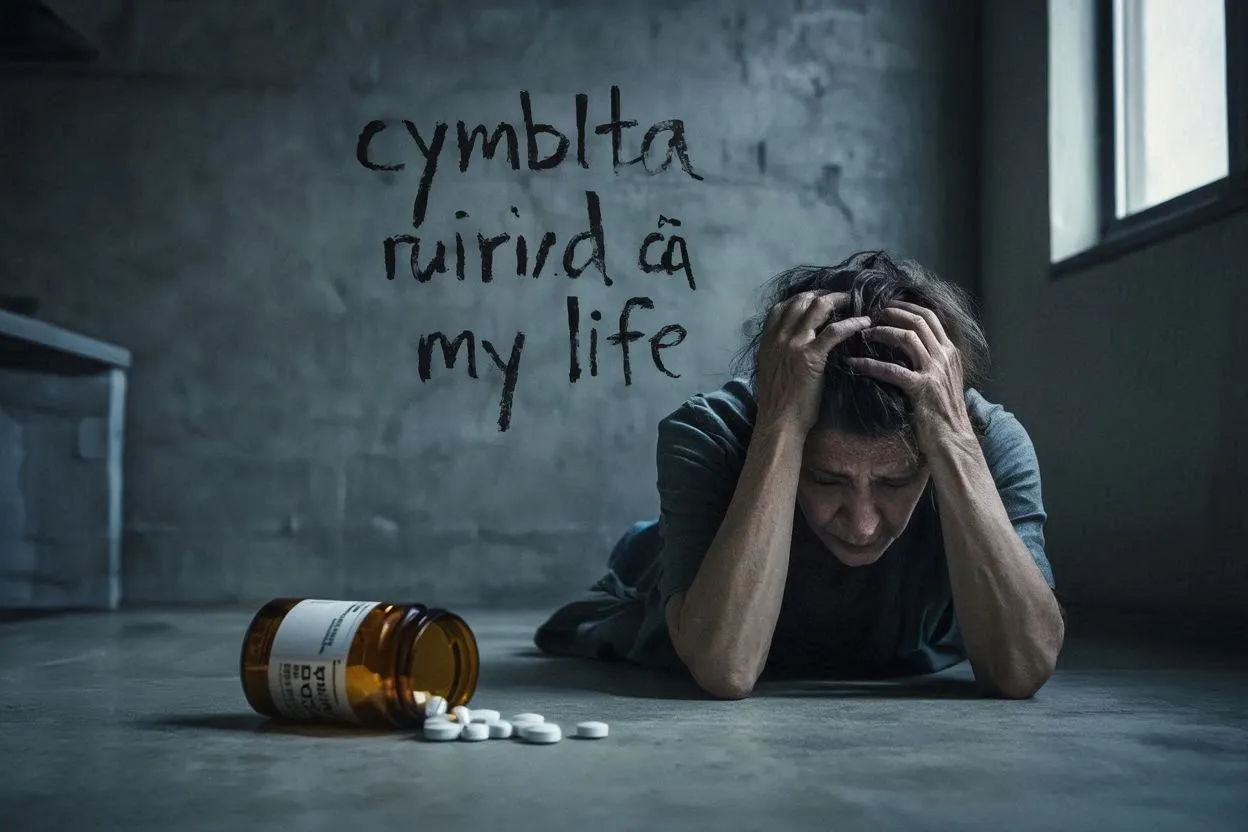
Many patients share a heartbreaking narrative: “Cymbalta ruined my life.” This antidepressant, known generically as duloxetine, is prescribed for depression, anxiety, fibromyalgia, and chronic pain. While some find relief, countless others experience devastating consequences. The medication affects serotonin and norepinephrine levels in the brain, which can lead to severe withdrawal symptoms and long-lasting side effects. Patients report that what started as hope for healing transformed into a nightmare of physical and emotional suffering. Understanding these experiences is crucial for anyone considering this medication or currently taking it.
The Beginning: How Cymbalta Ruined My Life Started
When doctors prescribe Cymbalta, they often downplay potential risks, focusing instead on possible benefits. Patients typically begin with optimism, hoping to finally find relief from their symptoms. However, within weeks or months, many notice troubling changes. Some experience intense nausea, dizziness, and headaches. Others develop emotional numbness or increased anxiety. The phrase cymbalta ruined my life often begins during this phase, when side effects overshadow any therapeutic benefits. Patients feel trapped, unsure whether to continue suffering through side effects or face the terrifying prospect of withdrawal. This impossible choice marks the beginning of a difficult journey.
Withdrawal Symptoms: Why Cymbalta Ruined My Life Completely
The most devastating aspect occurs when patients attempt to stop taking Cymbalta. Withdrawal symptoms can be absolutely brutal, earning the nickname “brain zaps” among sufferers. These electric shock sensations in the brain are accompanied by severe dizziness, nausea, irritability, and mood swings. Many report that Cymbalta ruined my life statements intensify during withdrawal because symptoms can last months or even years. Some experience suicidal thoughts, extreme fatigue, and cognitive impairment. The medical community has historically underestimated these withdrawal effects, leaving patients feeling abandoned and desperate. Even tapering slowly doesn’t always prevent severe symptoms, making discontinuation feel nearly impossible.
Physical Health Impact of Cymbalta
Beyond mental health, Cymbalta causes significant physical problems for many users. Weight gain, sexual dysfunction, excessive sweating, and cardiovascular issues plague numerous patients. Some develop liver problems or experience dangerous blood pressure changes. The statement “Cymbalta ruined my life” reflects how these physical ailments interfere with daily functioning, relationships, and career prospects. Chronic fatigue makes simple tasks overwhelming. Sexual side effects damage intimate relationships. Persistent pain continues despite the medication’s promise to alleviate it. These cumulative physical effects create a cascade of problems that fundamentally alter patients’ quality of life, leaving them worse off than before treatment began.
Emotional and Mental Consequences
Emotionally, many patients describe feeling like zombies on Cymbalta—emotionally flat and disconnected from life. While the medication supposedly treats depression, some experience worsening mental health, including increased anxiety, panic attacks, and suicidal ideation. The phrase “Cymbalta ruined my life” captures the profound loss of emotional vitality and joy. Relationships suffer as patients struggle to connect with loved ones. Career performance declines due to cognitive fog and lack of motivation. Some develop new mental health conditions they never experienced before starting the medication. The emotional toll extends beyond the individual, affecting families and friends who watch their loved one struggle.
How Cymbalta Ruined My Life: Financial and Social Impact
The consequences extend to financial stability and social connections. Medical bills accumulate from doctor visits, emergency room trips, and attempts to manage side effects. Many patients cannot work due to debilitating symptoms, leading to lost income and career opportunities. Social isolation increases as patients lack energy for friendships and activities. Insurance companies often refuse to cover treatments for withdrawal symptoms, adding financial strain. The complete statement “Cymbalta ruined my life” encompasses these broader life disruptions—lost jobs, broken relationships, depleted savings, and shattered dreams. The medication’s impact ripples through every aspect of existence, creating lasting damage.
Moving Forward After Cymbalta at Cymbalta Ruined My Life
Recovery is possible but requires patience, support, and often medical supervision. Working with knowledgeable healthcare providers who understand Cymbalta withdrawal is essential. Some patients benefit from nutritional supplements, therapy, and alternative treatments. Support groups provide validation and practical advice from others who understand. While the journey is challenging, many eventually reclaim their lives and health. Sharing stories helps raise awareness about these serious risks, potentially preventing others from experiencing similar devastation. Advocacy for better prescribing practices and withdrawal protocols continues growing as more people speak out about their experiences.
FAQs
How long does Cymbalta withdrawal last?
Withdrawal duration varies significantly between individuals. Some experience symptoms for weeks, while others suffer for months or even years after discontinuation.
Can Cymbalta cause permanent damage?
Some patients report long-lasting effects including persistent brain fog, sexual dysfunction, and emotional changes that continue long after stopping the medication.
What should I do if I want to stop taking Cymbalta?
Never stop abruptly. Work with your doctor to develop a very slow tapering schedule, reducing dosage gradually over months to minimize withdrawal symptoms.
Are there alternatives to Cymbalta?
Yes, including other medications, therapy, lifestyle changes, and alternative treatments. Discuss options thoroughly with your healthcare provider.
Why isn’t Cymbalta withdrawal more widely known?
Pharmaceutical companies and some medical professionals have historically minimized these risks, though awareness is gradually increasing through patient advocacy.
Conclusion
The statement “Cymbalta ruined my life” represents real experiences of thousands who’ve suffered severe consequences from this medication. While Cymbalta helps some patients, the potential for devastating side effects and brutal withdrawal symptoms cannot be ignored. Anyone considering this medication deserves complete information about risks, not just benefits. Those currently experiencing problems should know they’re not alone and recovery is possible with proper support. Greater awareness, better prescribing practices, and improved withdrawal protocols are desperately needed to prevent future harm and support those already affected.















Leave a comment