


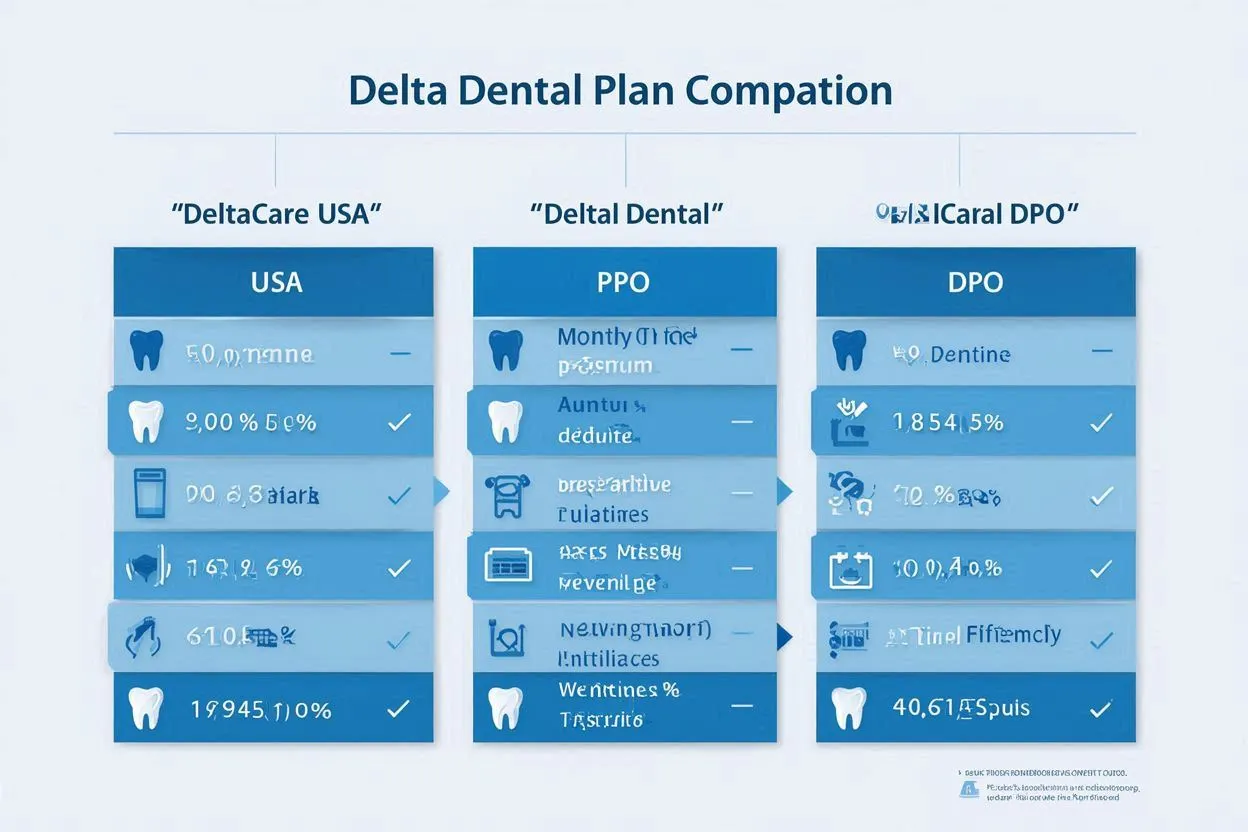
Ensuring that employees have access to comprehensive dental coverage goes far beyond offering an attractive company benefit—it’s a forward-thinking strategy with a direct impact on overall health, workplace satisfaction, and business performance. When employers thoughtfully select dental coverage options, they don’t just support oral health—they can directly influence staff well-being and foster a more resilient, productive organization. To fully understand this, employers can evaluate various options with resources like the Delta Dental plan comparison, which makes it easier to find a plan that matches employees’ unique needs.
Your workforce’s dental care choices can reverberate across their engagement and long-term health outcomes. Healthy employees, bolstered by the assurance of coverage, are less likely to delay necessary care, reducing absenteeism, healthcare costs, and turnover. These advantages all contribute to a more stable and motivated team, underpinning organizational growth.
Providing a robust dental plan lets employees know their overall well-being is valued, which can, in turn, boost morale and loyalty. Offering coverage also signals a long-term investment in their health, not just their productivity. By integrating preventive care and accommodating various needs across demographics, the right plan can transform employee wellness and positively influence workplace culture.
As oral health is increasingly recognized as a critical component of overall wellness, employers are taking a more active role in guiding their workforce to appropriate dental care. This commitment not only benefits employees but also helps businesses control costs and minimize disruptions from preventable health issues.
The Link Between Oral Health and Overall Wellness
The connection between oral health and overall well-being is no longer just anecdotal—an increasing body of research supports it. Dental issues such as untreated gum disease have been statistically linked to greater risks for heart disease, diabetes, stroke, and even cognitive impairments such as Alzheimer’s disease. For a deeper look at how oral health impacts overall health, see this Healthline overview of well-being and dental health. The mouth often provides early warning signs for systemic health problems, making regular dental check-ups a crucial preventative tool. Encouraging routine dental visits among employees can be instrumental in detecting and addressing broader health concerns early.
Impact on Employee Productivity
Employees saddled with dental pain or untreated oral problems may struggle to concentrate or miss work altogether. The Centers for Disease Control and Prevention estimates that more than $45 billion in productivity is lost in the United States each year due to untreated dental disease. Comprehensive dental coverage can measurably improve workplace performance: Research highlighted by Dentistry Today indicates that employees with dental insurance are not only healthier but also 9% more likely to remain productive than their uninsured peers.
Reducing Absenteeism and Presenteeism
Beyond missing work, unresolved dental issues can contribute to presenteeism, where employees are physically present but not entirely effective. By removing barriers to care, employers can prevent these productivity drains and keep their teams focused and engaged.
Role in Employee Retention
Dental benefits have become a pivotal differentiator in the competition for talent. With skilled workers evaluating potential employers based on the strength and diversity of their benefits packages, dental coverage can tip the scales. A recent study by MetLife found that employees with dental insurance are 17% more likely to anticipate staying with their employer over the next year. This is a clear signal: Dental benefits are a critical component of job satisfaction and long-term company loyalty.
Financial Benefits of Dental Coverage
Preventive dental care, covered under most insurance plans, is instrumental in preventing costly interventions later. Regular cleanings and exams catch minor concerns before they escalate into major (and far more expensive) health problems for both the individual and the organization. According to the Delta Dental report, 85% of adults believe that dental insurance ultimately leads to cost savings. Benefits experts echo this belief and reflect real reductions in claims for extensive, avoidable dental procedures over time.
Long-Term Cost Control
Businesses that invest in substantial dental benefits often see lower overall healthcare costs. By encouraging preventive care and early intervention, employers can reduce outlays for emergency dental care, chronic illnesses exacerbated by poor oral health, and even indirect costs such as lost productivity.
Choosing the Right Dental Plan
The best dental plan for any workforce balances breadth of coverage, affordability, access to a broad network, and flexibility to cater to demographic diversity. An innovative approach prioritizes preventive services, clear communication of benefits, and low barriers to high-value care. Employers should regularly solicit employee feedback and review how well existing coverage is serving their teams, adapting as demographics and needs shift. For a practical guide on navigating these considerations, Investopedia offers a detailed breakdown of steps for choosing dental insurance, including evaluating networks, plan types, and coverage specifics.
Analyzing network sizes, exploring options for both in- and out-of-network care, and assessing coverage for dependents are all vital steps in selecting a plan that truly aligns with organizational goals and employee needs. Plans that offer tele-dentistry, support wellness programs, and incentivize preventive check-ups can further amplify the value for everyone involved.
Conclusion
Comprehensive dental coverage is more than a checkbox on a benefits menu—it’s a catalyst for healthier, happier, and more productive employees. By carefully evaluating and updating dental plans to meet the evolving needs of the workforce, employers can foster loyalty, control healthcare costs, and support long-term organizational success. As research and real-world case studies continue to reveal these connections, progressive employers are seizing the opportunity to invest in their teams’ health from the inside out.
















Leave a comment