


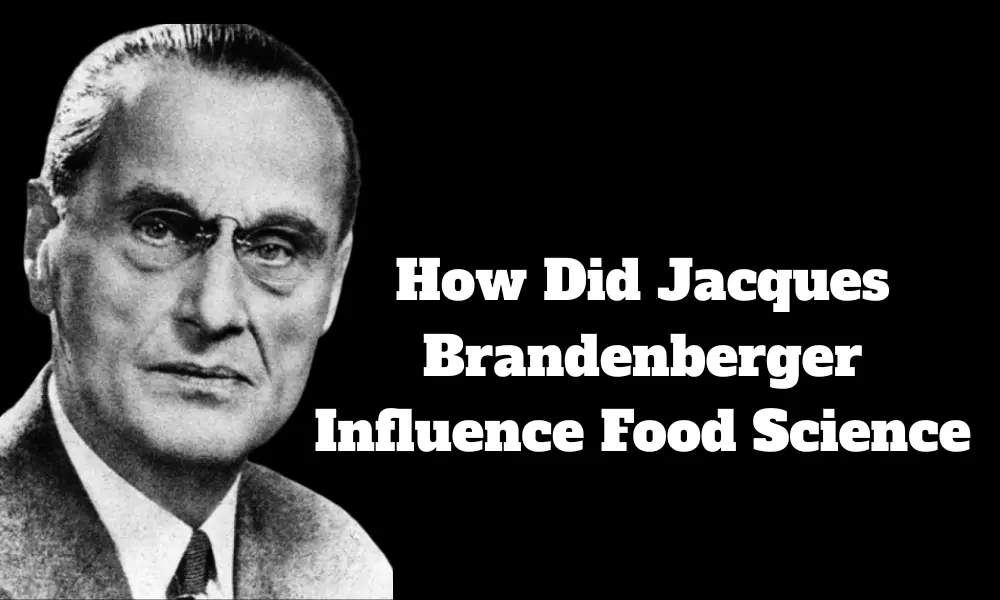
How did Jacques Brandenberger influence food science? This question reveals one of the most significant innovations in modern food preservation and packaging. Jacques Brandenberger, a Swiss textile engineer, invented cellophane in 1908, fundamentally transforming how we store, transport, and consume food. His accidental discovery while attempting to create a stain-resistant tablecloth led to a transparent, flexible film that would revolutionize the entire food industry. Brandenberger’s cellophane became the first widely-used transparent packaging material, creating new possibilities for food safety, hygiene, and shelf life extension. His contribution extended beyond mere packaging; it changed consumer behavior, retail practices, and global food distribution systems that we still rely on today.
How Did Jacques Brandenberger Influence Food Science Through Cellophane Invention?
The invention of cellophane directly answers how did jacques brandenberger influence food science by providing the first practical transparent wrapping material. Before cellophane, food packaging relied on paper, cloth, or metal containers that prevented customers from seeing products before purchase. Brandenberger spent over ten years perfecting his invention, creating a thin, transparent sheet made from regenerated cellulose. This breakthrough allowed food manufacturers to showcase their products while protecting them from contamination, moisture, and air exposure. The transparency factor revolutionized retail food sales, as consumers could now inspect food quality visually without opening packages. This innovation reduced food waste, improved hygiene standards, and established new quality control measures throughout the food supply chain.
The Impact of Brandenberger’s Innovation on Food Preservation
Understanding How did Jacques Brandenberger influence food science requires examining cellophane’s preservation properties. The material created a protective barrier that extended the shelf life of perishable items significantly. Cellophane prevented bacterial contamination while allowing certain foods to “breathe,” maintaining freshness without causing spoilage. Bakeries, confectioneries, and meat processors quickly adopted this technology, transforming their distribution capabilities. Fresh bread could travel longer distances without becoming stale, candies remained fresh for months, and delicatessen items maintained quality during transport. This preservation capability enabled the growth of supermarket chains and centralized food distribution systems. Brandenberger’s cellophane made seasonal foods available year-round in different geographic regions, fundamentally changing dietary patterns and nutritional access worldwide.
How Did Jacques Brandenberger Influence Food Science in Commercial Applications?
How did Jacques Brandenberger influence food science becomes evident when examining commercial food industry transformations. DuPont acquired American cellophane rights in 1923, developing moisture-proof versions that expanded applications dramatically. Food manufacturers could now package everything from crackers to cheese with unprecedented efficiency. The material’s versatility allowed heat-sealing, printing, and customization for various food products. Cigarette manufacturers, candy companies, and fresh produce distributors adopted cellophane rapidly, creating entirely new market segments. The film’s ability to maintain food texture, prevent oxidation, and showcase product appearance gave manufacturers competitive advantages. Supermarkets emerged as dominant retail formats partly because cellophane-wrapped products required less handling, reduced spoilage, and allowed self-service shopping models that transformed consumer purchasing habits fundamentally.
Scientific Principles Behind Brandenberger’s Food Science Contribution
The scientific answer to How did Jacques Brandenberger influence food science lies in cellophane’s molecular properties. Made from wood pulp cellulose treated with chemicals, the material created a semi-permeable membrane with unique characteristics. This membrane blocked bacteria and dust while permitting controlled gas exchange essential for certain foods. The material’s hydrophilic nature absorbed excess moisture from packaged goods, preventing condensation that caused spoilage. Brandenberger’s cellophane maintained optimal humidity levels for various food types, a critical factor in preservation science. Food scientists could now study microbial growth patterns, oxidation rates, and moisture migration in controlled environments. This led to advancements in food chemistry, packaging engineering, and preservation technology that established modern food science as a distinct discipline.
Long-term Legacy: How Did Jacques Brandenberger Influence Food Science Today?
Modern food packaging still reflects how Jacques Brandenberger influenced food science over a century ago. While plastics have largely replaced cellophane, the fundamental principles Brandenberger established remain foundational. His work pioneered transparent packaging concepts, barrier technology, and consumer-friendly food presentation. Contemporary biodegradable packaging research often references cellophane’s renewable cellulose base as inspiration for sustainable alternatives. Vacuum sealing, modified atmosphere packaging, and smart packaging technologies all evolved from Brandenberger’s original innovation. His emphasis on combining food protection with visual appeal established standards that modern packaging engineers still follow. The global food packaging industry, now worth hundreds of billions annually, traces its origins directly to Brandenberger’s persistent experimentation.
FAQs
Q: What was Jacques Brandenberger’s original goal when he invented cellophane?
A: Brandenberger initially attempted to create a stain-resistant tablecloth, not food packaging. His accidental discovery led to cellophane’s development.
Q: When did cellophane become widely used in food packaging?
A: Cellophane gained commercial food packaging adoption in the 1920s after DuPont developed moisture-proof versions suitable for various food products.
Q: Is cellophane still used in food packaging today?
A: While largely replaced by synthetic plastics, cellophane remains used for specialty foods, gift baskets, and eco-friendly packaging due to its biodegradable properties.
Q: What foods benefited most from cellophane packaging?
A: Baked goods, candies, fresh produce, cheese, and processed meats experienced the most significant preservation and distribution improvements from cellophane packaging.
Conclusion
How did Jacques Brandenberger influence food science? His cellophane invention fundamentally transformed food preservation, packaging, distribution, and consumer behavior. Brandenberger’s persistent innovation created the foundation for modern food packaging technology, enabling global food systems we depend on today. His legacy continues influencing sustainable packaging development and food science advancement.
















Leave a comment