


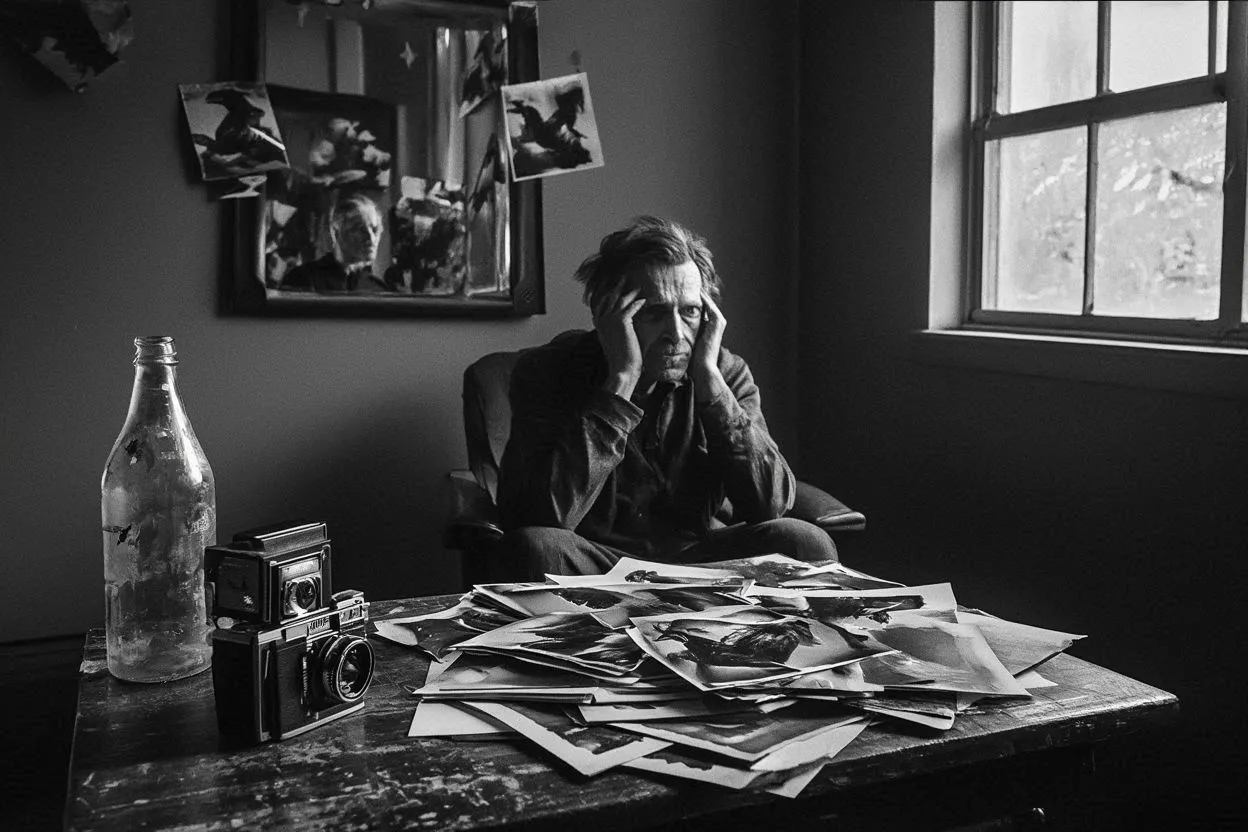
Today we are talking about how did masahisa fukase ruin his life with photography, Masahisa Fukase stands as one of photography’s most haunting figures, whose artistic brilliance came at an devastating personal cost. The Japanese photographer’s obsessive dedication to his craft ultimately consumed him, leading to isolation, alcoholism, and tragedy. His most famous work, “The Solitude of Ravens,” documented his psychological descent following his divorce. Fukase’s story reveals how the line between artistic dedication and self-destruction can blur dangerously. His camera became both his salvation and his curse, capturing raw human despair while simultaneously deepening his own. Understanding how did Masahisa Fukase ruin his life with photography requires examining the intersection of genius, addiction, and obsession.
How Did Masahisa Fukase Ruin His Life with Photography: The Marriage That Defined His Downfall
Fukase’s relationship with his wife Yoko profoundly shaped his photography and his fate. She frequently appeared as his muse in early works, creating an intimate artistic partnership. However, their marriage deteriorated under the weight of his increasing alcoholism and obsessive artistic tendencies. When Yoko left him in 1976, Fukase spiraled into despair that would define his remaining work. Rather than seeking recovery, he channeled his anguish entirely into photography. His camera documented every stage of his psychological unraveling. This transformative heartbreak marks the beginning of how did Masahisa Fukase ruin his life with photography, as he chose artistic expression over emotional healing and personal stability.
Ravens as Symbols of Destruction
Following his divorce, Fukase began his infamous ravens series, photographing these dark birds obsessively for years. The ravens became metaphors for his deteriorating mental state, appearing in increasingly ominous and surreal compositions. He traveled throughout Japan, drunk and alone, pursuing these creatures with fanatical determination. The resulting photographs are masterpieces of despair, showcasing technical brilliance infused with genuine psychological torment. Critics praised the work’s raw emotional power, but few recognized the artist’s genuine suffering. Fukase wasn’t simply creating art; he was documenting his own destruction. This period clearly illustrates how did Masahisa Fukase ruin his life with photography, prioritizing haunting imagery over personal wellbeing and recovery from heartbreak.
How Did Masahisa Fukase Ruin His Life with Photography Through Alcohol
Alcohol became inseparable from Fukase’s photographic practice, fueling his creativity while destroying his health and relationships. He drank heavily during shooting sessions, believing intoxication enhanced his artistic vision and emotional authenticity. Friends and colleagues watched helplessly as his dependency worsened throughout the 1980s. His photographs from this period show increasing darkness and technical recklessness that somehow enhanced their emotional impact. Publishers and galleries continued supporting his work, inadvertently enabling his self-destructive behavior. The photography community celebrated his output without addressing his obvious suffering. This toxic combination demonstrates how did Masahisa Fukase ruin his life with photography, as the art world’s validation reinforced patterns that were literally killing him slowly.
The Fatal Fall and Its Aftermath
In 1992, Fukase fell down a flight of stairs while heavily intoxicated, suffering severe head injuries that left him in a coma. He never regained consciousness, spending the remaining twenty years of his life in a vegetative state until his death in 2012. This tragic accident resulted directly from the alcoholism that had fueled his photographic obsessions for decades. His most powerful work emerged from his darkest periods, creating a terrible artistic legacy. The photography world mourned the loss while retrospectively celebrating his tortured genius. His story became a cautionary tale about artistic obsession’s ultimate price. This devastating conclusion definitively answers how did Masahisa Fukase ruin his life with photography: his camera documented suffering he never escaped.
How Did Masahisa Fukase Ruin His Life with Photography: The Legacy of Self-Destruction
Fukase’s photographs continue inspiring contemporary artists, though his personal tragedy often receives less attention than his artistic achievements. His work commands high prices at auctions, and “The Solitude of Ravens” is considered a photobook masterpiece. However, this commercial and critical success came entirely posthumously, offering him no comfort during his suffering. Many photographers study his techniques while ignoring the human cost behind the images. His story raises uncomfortable questions about whether great art justifies personal destruction. The photography community must grapple with how it celebrates work born from genuine anguish. Examining how did Masahisa Fukase ruin his life with photography forces reflection on artistic culture’s responsibility toward struggling creators and mental health.
How Did Masahisa Fukase Ruin His Life with Photography: Lessons from Fukase’s Tragic Story
Understanding how did Masahisa Fukase ruin his life with photography offers crucial lessons for contemporary artists about balancing creativity with wellbeing. His story warns against romanticizing suffering as essential to artistic authenticity and greatness. Mental health resources and addiction treatment should be accessible to creative professionals struggling with similar demons. The art community must recognize warning signs of self-destructive behavior in colleagues and offer genuine support beyond mere admiration for their output. Fukase’s tragedy demonstrates that artistic legacy means nothing without the artist’s survival to experience it. His photographs remain powerful precisely because they document real pain that ultimately consumed their creator completely.
FAQs
What was Masahisa Fukase’s most famous work?
“The Solitude of Ravens” (Karasu) is Fukase’s masterpiece, a photobook documenting his psychological descent through images of ravens following his 1976 divorce from his wife Yoko.
When did Fukase’s accident occur?
Fukase fell down stairs in 1992 while intoxicated, suffering severe brain injuries that left him in a permanent vegetative state until his death in 2012.
Did Fukase achieve recognition during his lifetime?
Yes, Fukase received critical acclaim in Japan during his career, though his work gained greater international recognition after his accident and posthumously.
What role did alcohol play in his photography?
Alcohol was integral to Fukase’s creative process but ultimately destructive, contributing to his isolation, deteriorating health, and the accident that ended his conscious life.
How is Fukase remembered today?
Fukase is celebrated as a photographic genius whose work explored human despair, though his tragic personal story serves as a cautionary tale about artistic obsession.
Conclusion
Masahisa Fukase’s story remains one of photography’s most tragic tales, illustrating how artistic brilliance and personal destruction can become fatally intertwined. His inability to separate his identity from his suffering created powerful art but cost him everything meaningful in life. The question of how did Masahisa Fukase ruin his life with photography reveals uncomfortable truths about artistic culture’s relationship with mental health and addiction. His legacy challenges us to value artists’ wellbeing as much as their output, recognizing that sustainable creativity requires emotional health. While his photographs endure as masterpieces, they stand as monuments to preventable tragedy. Fukase’s life reminds us that no artwork, however brilliant, justifies the artist’s destruction. His story must inspire better support systems for creative professionals struggling with similar demons, ensuring that artistic passion enhances rather than destroys lives.













Leave a comment